Healthcare PPC that fills schedules, without creating compliance headaches.

Capture ready-to-book demand on Google with intent-based targeting, HIPAA-aware measurement, and landing pages built for speed, phones, and insurance filters.

Healthcare Pay-Per-Click Built to Fill Appointment Books

Ad spend without the right structure produces reports, not patients. See how we build and manage paid search programs specifically for healthcare practices, where compliance, intent, and conversion all have to work together.


Trusted Partners

More booked visits at a sane CAC

  • Search that matches real intent: service, symptom, and “near me” clusters with geo & insurance qualifiers.
  • Landing pages that convert: sub-2.5s mobile LCP, insurance + hours above the fold, click-to-call, short forms. (Speed helps both Quality Score and conversions.)
  • Tight waste control: negatives for non-covered insurance, out-of-area zip codes, and low-value visit types.

Lower legal & platform risk

  • HIPAA-aware analytics & consent with documented data flows; we follow the evolving HHS/OCR landscape (and the 2024 ruling that narrowed parts of the tracking guidance).
  • Google policy native: we respect health “sensitive interest” limits for personalized ads and only use HCP lists where allowed.
  • Meta reality-proofed: we design around Meta’s 2025 data-sharing restrictions.

Full-funnel measurement you can trust

  • Call attribution (PHI-safe), form tracking, and scheduler events mapped to compliant conversions.
  • ROAS you can defend: CAC by service line/location + payback window. (We’ll show it on the first review.)

How we run Healthcare PPC

Diagnose & plan – Demand model by service line, coverage, and geography; audit Google Ads/Meta, landing pages, and tracking risk.

Build & launch – Campaigns, ad groups, negatives, HCP vs consumer segmentation, landing pages, consent/analytics hardening.

Optimize & scale – Bid & budget tuning, query mining, page tweaks, phone handling tests, and monthly compliance checks.

Work That Speaks For Itself

Healthcare organizations hire us when the gap between their current performance and their potential is too wide to ignore. The case studies below document what happened when we closed that gap: the strategies applied, the decisions made, and the numbers that followed.
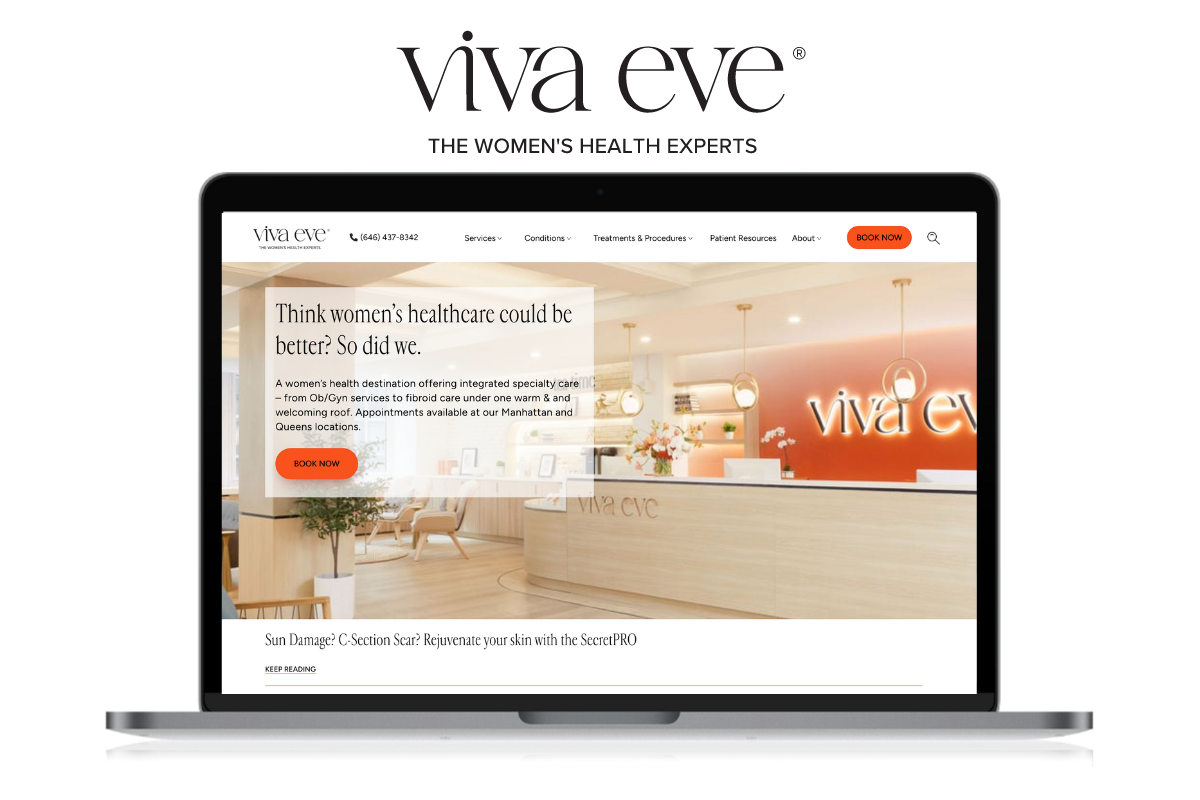
Viva Eve

How Viva Eve Turned a 'Rat's Nest' of Marketing Tech Into Clarity and Growth

Learn More

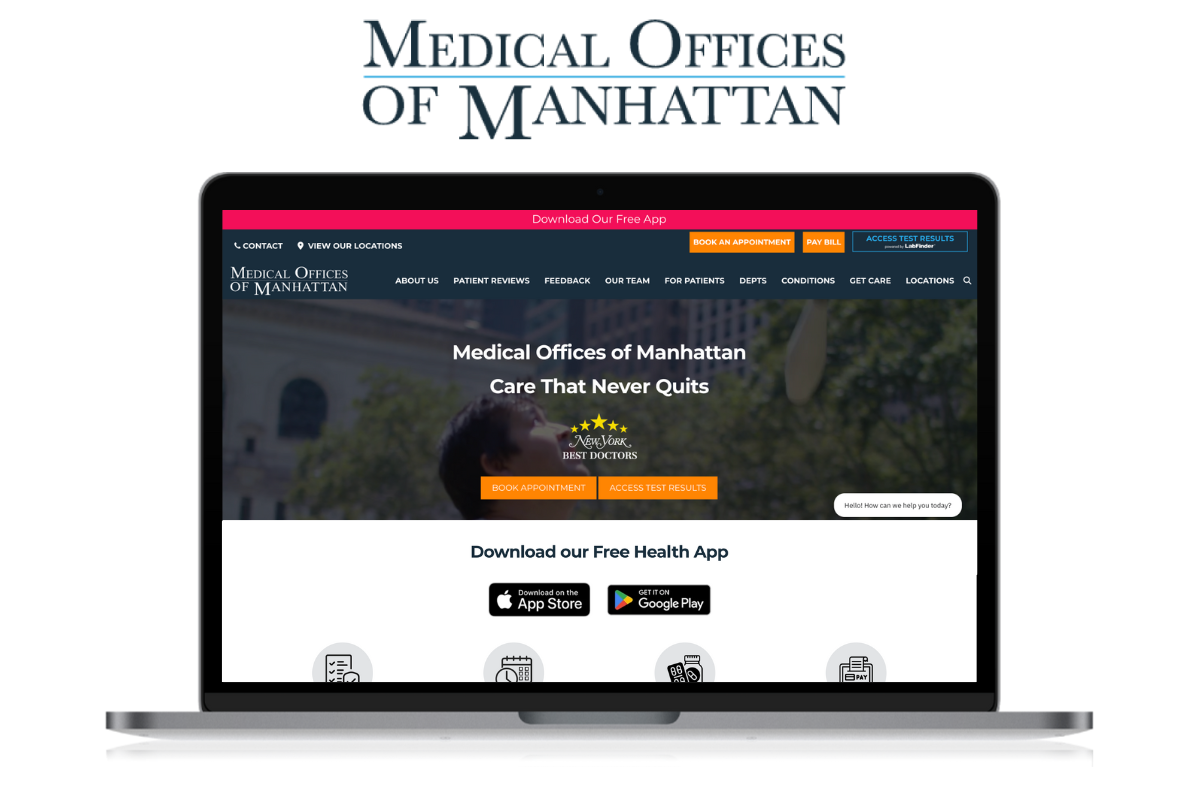
Medical Offices of Manhattan

How Medical Offices of Manhattan Built a Scalable Digital System That Fueled Multi-Specialty Growth

Learn More

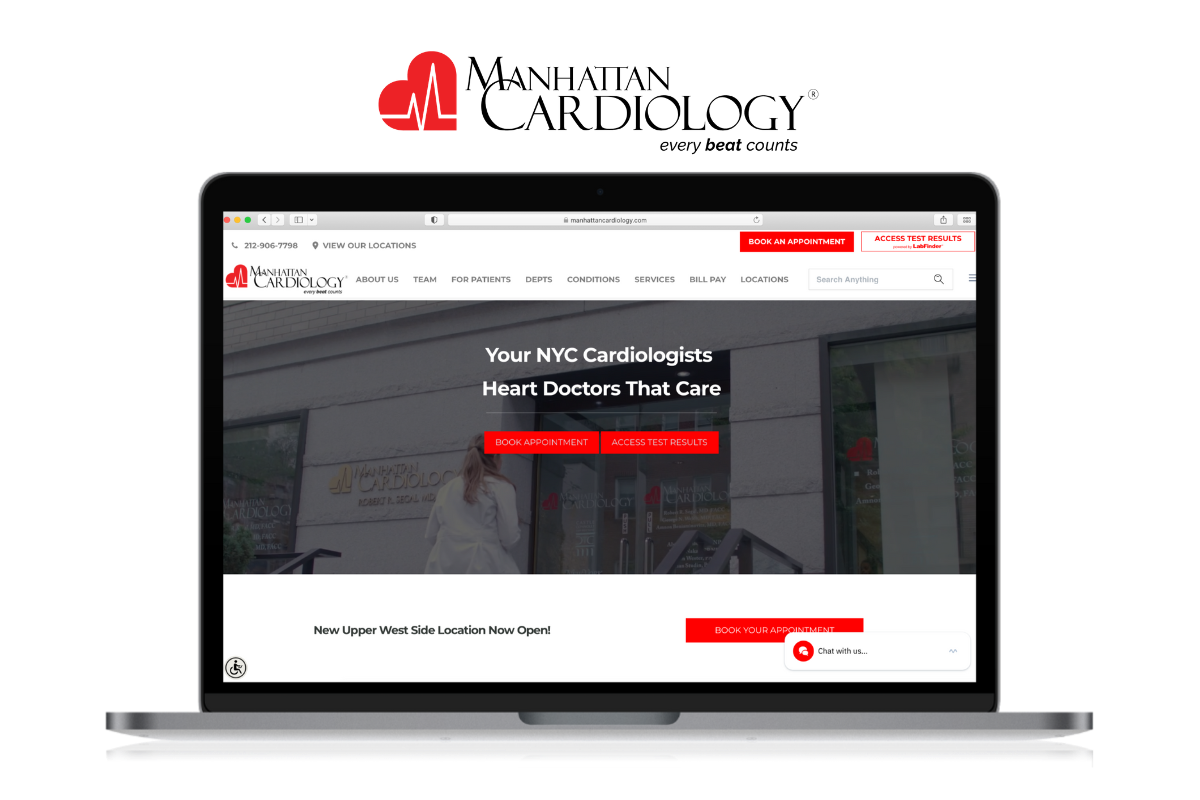
Manhattan Cardiology

How Manhattan Cardiology Scaled from a Single Office to a Comprehensive Cardiology Center

Learn More

Frequently Asked Questions

Three things. First, Google has specific restrictions on health-sensitive targeting that most agencies hit without realizing it until an ad gets disapproved or an account gets flagged. Second, HIPAA requires you to handle conversion tracking differently from a standard setup. Third, a “lead” in healthcare is not a revenue event. You need to know whether the person who filled out the form is clinically appropriate for your service, geographically reachable, and covered by your accepted insurance. Most agencies optimize for form fills. We optimize for qualified patient appointments.

We track cost per acquisition by service line and location, connected to actual bookings rather than just form submissions. That means wiring together call tracking, form events, and scheduler data in a HIPAA-aware measurement stack. We report on CAC and payback window, not impressions and click-through rates. If you cannot see a line from ad spend to booked visits, the reporting is not done.

Yes, with the right account setup and creative approach. Google’s sensitive interest policies restrict personalized targeting for certain health categories, but search campaigns based on keywords rather than audience profiles are generally permissible when handled correctly. We design campaigns to pass policy from day one, not as an afterthought after disapprovals start accumulating.

Yes, for the right purpose. Google captures patients who are actively searching. Meta creates awareness and demand among people who are not searching yet. For specialties where patients do not always know to look, like pelvic floor physical therapy or complex GI conditions, Meta builds the top-of-funnel that feeds your Google campaigns. The key is designing Meta campaigns around Meta’s 2025 data-sharing restrictions, which we do by default.