Healthcare SEO that gets found, and stays compliant.

Capture demand from patients and referrers with findable pages, credible content (E-E-A-T), WCAG-accessible UX, and HIPAA-aware analytics you can trust.
What Healthcare SEO Actually Looks Like

Most SEO programs treat healthcare like any other industry. We don’t. Watch how Tidal Health Group approaches search visibility for medical practices, built around clinical authority rather than generic keyword volume.


Trusted Partners

More qualified patient inquiries

  • Build top-3 visibility for services, symptoms, and “near me” terms with location/physician/condition hubs mapped to real search intent.
  • Improve click-through with structured data (clinic, physician, condition, FAQ) and clean titles/meta that match how people search.
  • Faster pages that meet Core Web Vitals benchmarks—because speed lifts both rankings and conversions.

Local presence that drives calls

  • Google Business Profile tuning (categories, services, UTM, Q&A, review ops).
  • Location pages that mirror GBP data and actually rank. (Most bookings still start with a local query.)

Real authority for a YMYL category

  • E-E-A-T signals: named clinicians, credentials, bylines, medical review notes, citations, and data-backed pages.
  • Content model that prioritizes “people-first” guidance over boilerplate—aligned with Google’s own documentation.

How we run Healthcare SEO

How we get you live

Diagnose & model demand Keyword/entity research tied to service lines, symptoms, and referrer queries. Audit E-E-A-T gaps, GBP, CWV, accessibility, and tracking risk.

Build the foundation Information architecture, location/physician/condition templates, schema, internal links, GBP ops, speed work, consent/analytics hardening.

Publish & improve (ongoing) Editorial calendar with SME reviews, link outreach (ethical/earned), CRO on forms/phone routing, monthly CWV + accessibility + local pack reporting.

Work That Speaks For Itself

Healthcare organizations hire us when the gap between their current performance and their potential is too wide to ignore. The case studies below document what happened when we closed that gap: the strategies applied, the decisions made, and the numbers that followed.
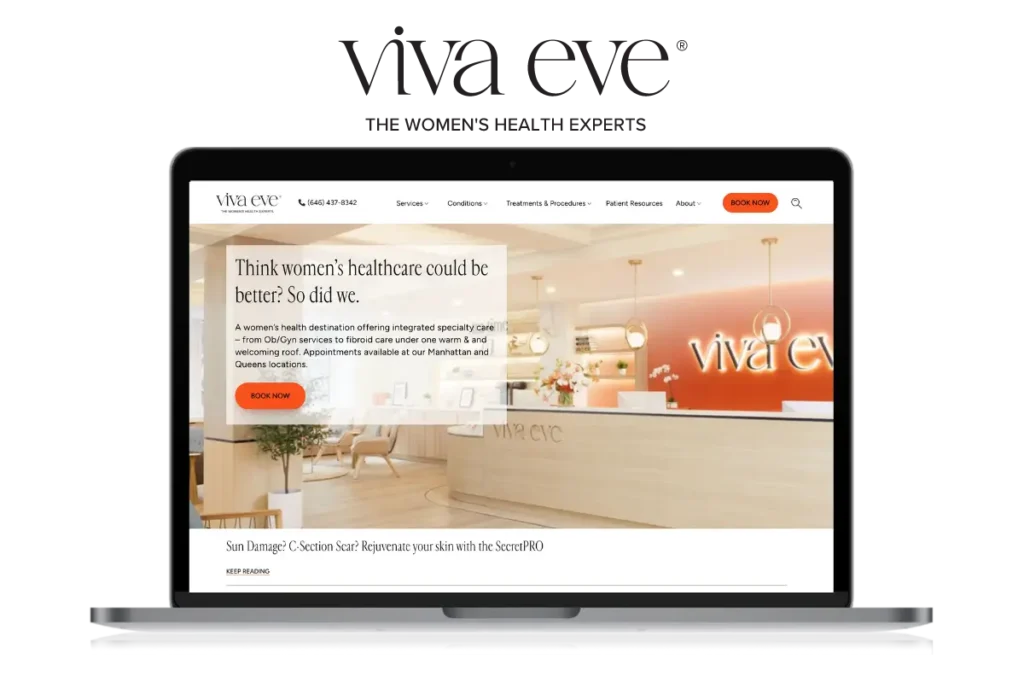
Viva Eve

How Viva Eve Turned a 'Rat's Nest' of Marketing Tech Into Clarity and Growth

Learn More

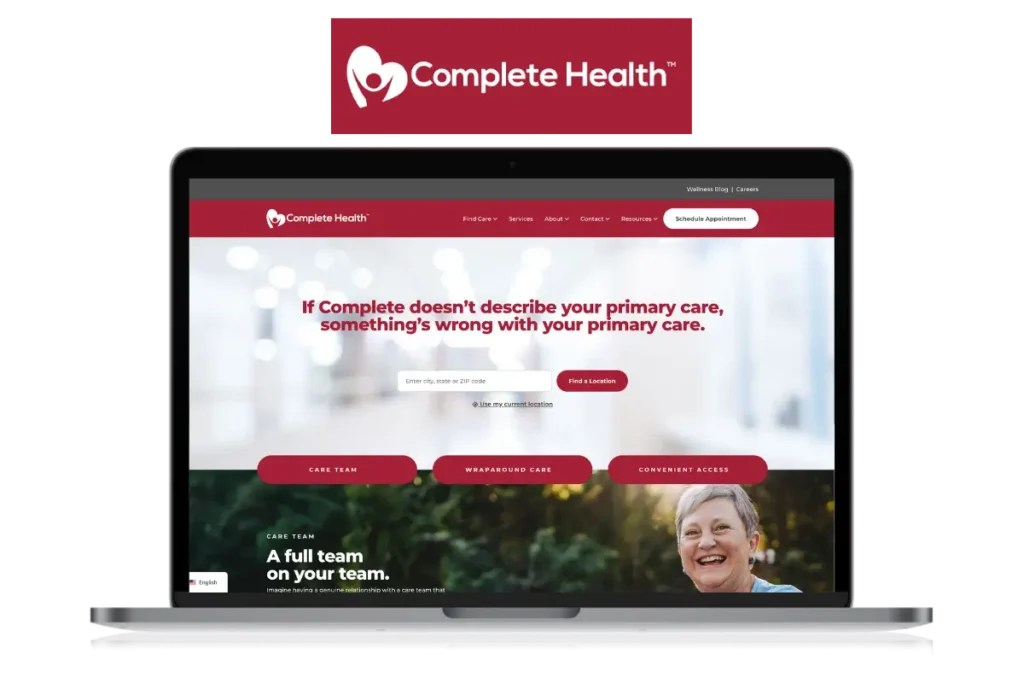
Complete Health

How Complete Health Began Building Digital Authority in a Value-Based Care Market

Learn More

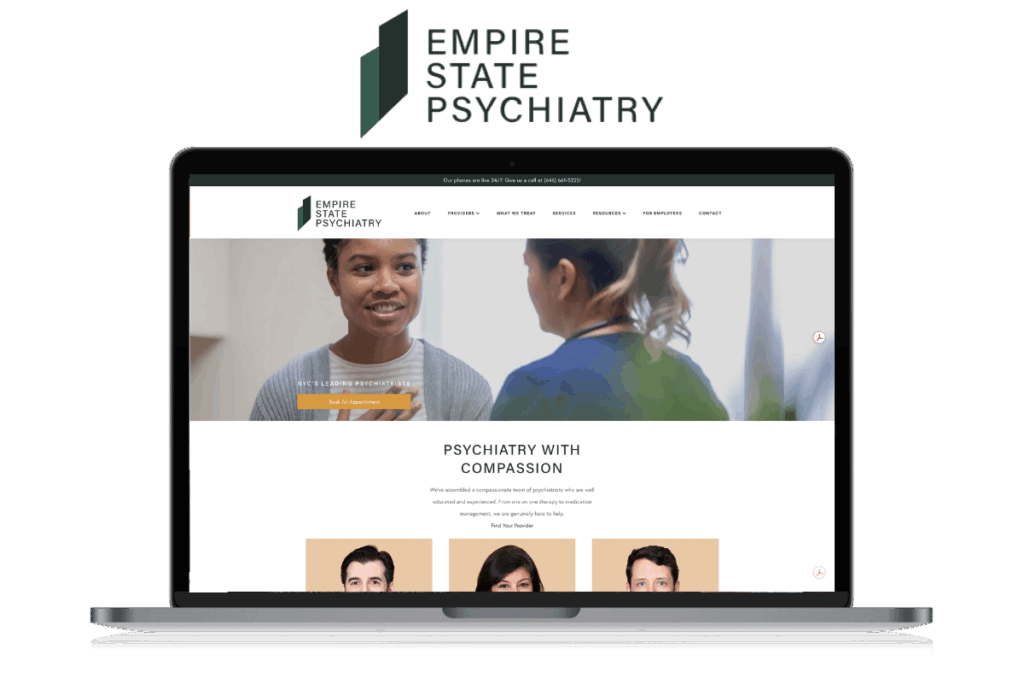
Empire State Psych

How Empire State Psych Broke Free from Zocdoc and Built an Ownable Patient Growth Engine

Learn More

Frequently Asked Questions

Healthcare falls into what Google calls YMYL — Your Money or Your Life. Pages that help people make healthcare decisions are held to a higher standard for quality, expertise, and trustworthiness. That means keyword placement alone does not move the needle. Google wants to see named clinicians with credentials, medically reviewed content, cited sources, and a site structure that makes your specialties and locations findable. Thin or generic pages do not perform in this category the way they might in other verticals.

Meaningful movement typically starts between 3 and 6 months for technical and local SEO work. Content authority, which drives the bigger wins, takes 6 to 12 months to compound. This is not unique to Tidal. It is how Google’s systems work for YMYL content. We show you the baseline Vital Signs score at the start of every engagement so you have a real benchmark, not just a promise.

E-E-A-T stands for Experience, Expertise, Authoritativeness, and Trustworthiness. In practice for healthcare, it means every page should have a named author with visible credentials, any clinical claims should cite sources, and your providers should have professional profiles that connect their real-world reputation to your website. A site where no one is named and every page reads like a brochure scores poorly on E-E-A-T regardless of how good your keyword targeting is.

Not for healthcare, and not at scale. AI-generated content can pass basic checks but typically lacks the clinical specificity and source-backed accuracy that Google’s quality raters flag positively. More practically, undifferentiated AI content does not build the entity signals or physician authority that drives long-term rankings in a competitive specialty market. We use AI as a production tool with human expert review and clinical accuracy checks built in.

Yes. Standard Google Analytics and Meta Pixel setups can pass protected health information in URLs or event parameters, which creates compliance risk. We implement HIPAA-aware analytics with clean data flows, consent mechanisms, and documented decisions. You get accurate reporting without the legal exposure.