Healthcare Cross-Domain Booking Attribution is Tidal Health Group's method for preserving UTM parameters, Google Click IDs, and session context when patients move from a healthcare website through a third-party scheduling tool or subdomain before completing an appointment booking. The method uses server-side parameter persistence and scheduler webhook integration to maintain the marketing source chain through the full conversion path.
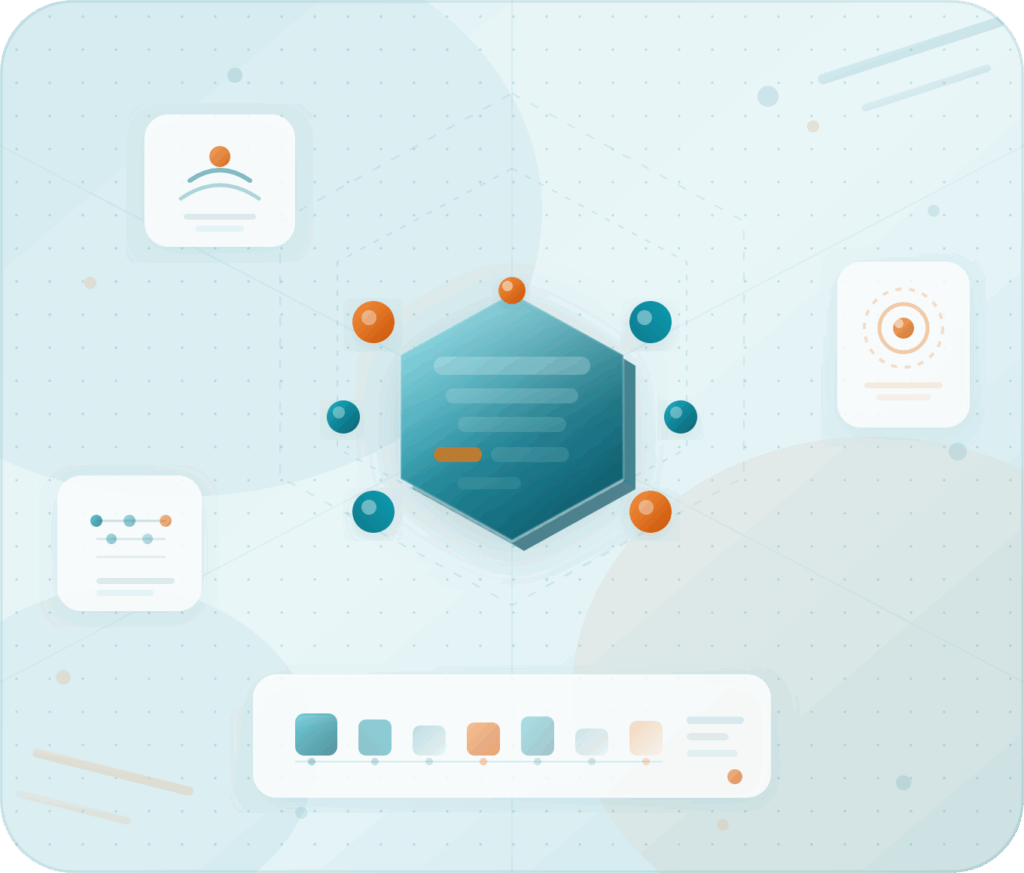
A method for preserving UTM parameters, GCLIDs, and session context when patients traverse third-party scheduling tools or subdomains, enabling accurate channel-level appointment attribution in GA4 and Looker Studio.
For a podiatry group using a third-party scheduler on a separate subdomain that was breaking UTM chains, Tidal Health Group implemented server-side UTM persistence using scheduler webhooks, connected the handoff to GA4 session stitching, and validated the attribution chain against front-desk intake records. The portion of appointments attributed to 'direct' in GA4 dropped from 61 percent to 14 percent, giving the practice an accurate channel attribution picture for budget decisions.
When patients cross from a healthcare website to a third-party scheduler and UTM parameters are lost, those appointments appear as direct traffic in GA4. This makes paid and organic channels appear less effective than they are and makes budget allocation decisions systematically inaccurate. Correct cross-domain attribution restores the true channel picture.
Healthcare marketing managers at practices using third-party scheduling tools, patient portals, or telehealth platforms where the booking completion event happens outside the main website domain.
Third-party scheduling platforms are not built with marketing attribution in mind. They reset session context on redirect, breaking the UTM chain and causing paid media appointments to be misattributed as direct traffic. This method restores the attribution chain without requiring changes to the scheduling platform itself.
Healthcare-exclusive digital marketing agency. We help practices close the gap between their clinical reputation and how they appear online, turning that into consistent, measurable patient growth.